2 hr 30 min
Bo-Kaap Malay Cooking Class with Lunch
Master traditional Cape Malay dishes in a colorful Bo-Kaap home with a local chef
Reserve
Hand-picked by our editors — only the best 5 experiences from 12 reviewed.
Verified partners for every tour, free cancellation where available, and instant confirmation on every booking.
2 hr 30 min
Master traditional Cape Malay dishes in a colorful Bo-Kaap home with a local chef
Reserve
4 hr
Stroll through vibrant streets, visit historic sites, then cook and feast on authentic Cape Malay dishes
Reserve
2 hr
Discover Cape Town's soul on a 2-hour guided walk through historic neighborhoods and vibrant streets
ReservePrices from verified partners. Availability updates in real time at checkout. Free cancellation policies apply where shown.
The landmarks, rooms, and views travelers on this tour remember — all visible on a single visit.
Built in 1794, this is the oldest mosque in South Africa and a site of spiritual resilience for the community.
The combined experience is superior for those seeking deep cultural immersion, whereas the heritage walk is more efficient for travelers prioritizing architectural landmarks. Choosing the right bo kaap walking tour and cooking class tour depends on whether you prefer active participation or a quick exploration of these vibrant Cape Town streets.
| Feature | Top pick Cook & Walk | Heritage Walk |
|---|---|---|
Cultural depth |
Deep local interaction | Overview of historical narrative |
Hands-on activity |
Cooking instruction included | Observation only |
Duration |
4–5 hours | 1.5–2 hours |
Total cost |
1200–1500 ZAR | 300–500 ZAR |
Primary focus |
Culinary tradition and heritage | Architectural history and photography |
| See tickets → |
Verdict: Select the bo kaap walking tour and cooking class tickets if you have a half-day to spare, or choose the standalone heritage walk if you are constrained by time while seeking bo kaap walking tour and cooking class tours alternatives.
Choose your ticket, select your date, and reserve in under two minutes. Secure checkout handled by our verified partner.
Instant confirmation by email, with a mobile voucher you can save offline. No printing, no queuing at a collection desk.
Arrive at the entrance, show your voucher on your phone, and walk in. Most tickets include priority or skip-the-line access.
Practical details for your visit straight from our verified partners — hours, access, rules, and how to get there.
Modest clothing is recommended when visiting the bo kaap walking tour and cooking class area out of respect for the local Muslim community. Ensure shoulders and knees are covered, especially when entering mosques.
Keep belongings secure during your bo kaap walking tour and cooking class. Large backpacks are discouraged in the historic museum house due to limited space.
Photography is permitted in the streets of Bo-Kaap, but please ask permission before capturing close-up portraits of residents. Inside the Bo-Kaap Museum, check signage regarding flash photography.
The Bo-Kaap area features steep, cobbled streets that can be challenging for those with limited mobility. Please verify specific bo kaap walking tour and cooking class accessibility with your operator prior to arrival.
Children are welcome on a bo kaap walking tour and cooking class, though age restrictions may apply to the culinary portion. Please confirm participation policies directly with the tour provider.
Your bo kaap walking tour and cooking class includes traditional Cape Malay cuisine. Avoid eating in public spaces during daylight hours of Ramadan to show cultural sensitivity.
Best time to go, insider tips, nearby landmarks, and the cancellation fine print — flip through to skim what matters to you.
Flexible, no hidden fees.
Full refunds are typically available for a bo kaap walking tour and cooking class tour if canceled within the operator's specified window. Note that individual museum entry fees of 20 ZAR per adult are generally excluded from tour booking refunds.
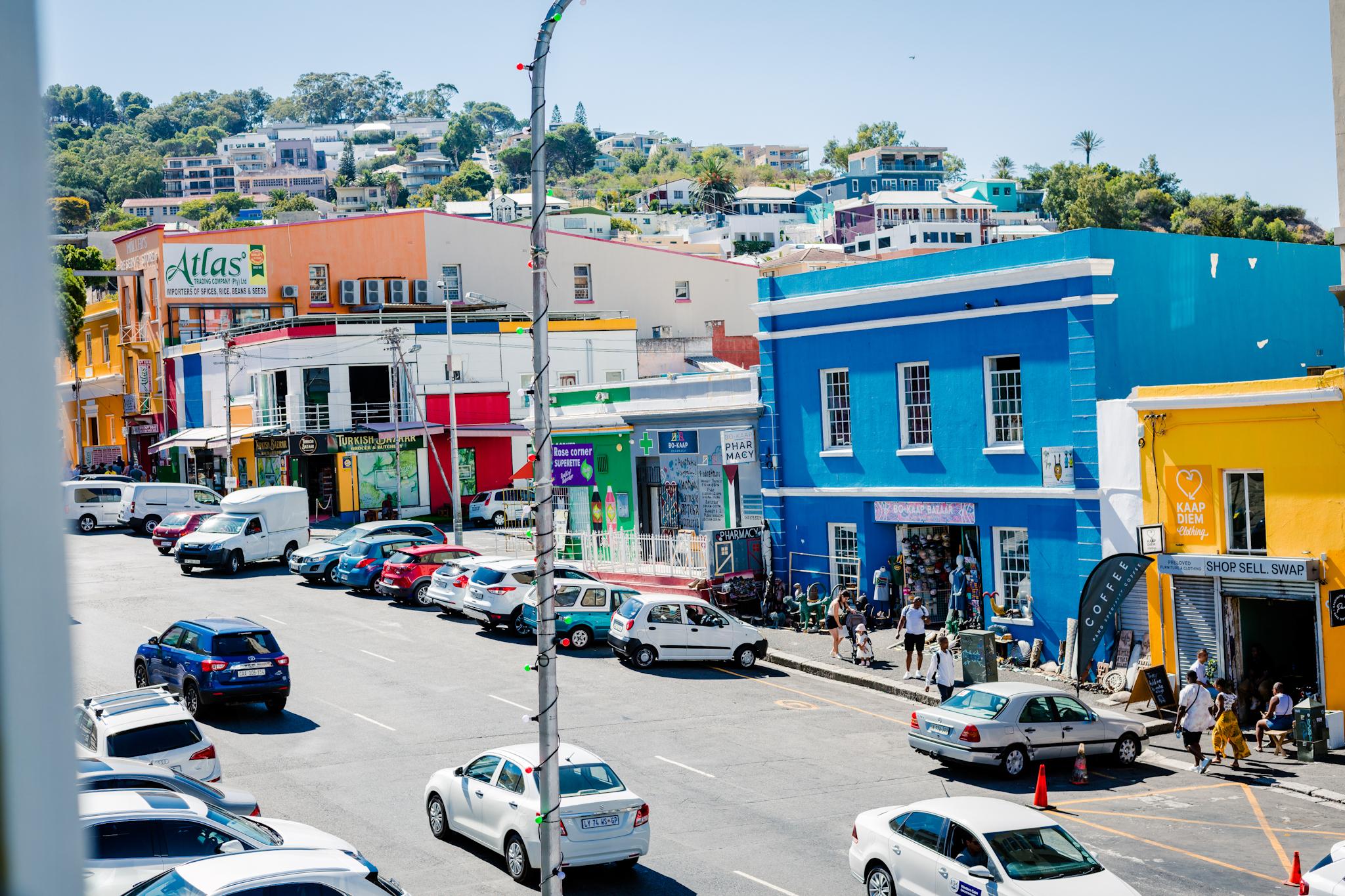
The Bo-Kaap's pastel facades were not always so vivid. For most of the 18th and 19th centuries, the terraced houses climbing Signal Hill wore muted lime-wash tones, their inhabitants—freed slaves, artisans, and Cape Malay families—forming one of Cape Town's oldest residential enclaves. The tradition of painting homes in cobalt, fuchsia, and tangerine only took hold in the 1960s, a defiant gesture against apartheid's Group Areas Act, which sought to erase the community's claim to the land. Today, those painted gables stand as both monument and living quarter, the physical archive of a culture that survived dispossession. A bo kaap walking tour and cooking class stitches together the neighbourhood's layered history. The Bo-Kaap Museum at 71 Wale Street, housed in an 1763 dwelling, preserves the domestic interiors of a 19th-century Cape Muslim family: hardwood furniture, Islamic calligraphy, and the kind of functional beauty that comes from generations occupying the same rooms. The collection includes handwritten Quran manuscripts in Arabic script, family photographs from the 1920s, and examples of traditional bridal attire worn during the Ratiep ceremony. Outside, the cobbled incline of Wale Street leads past the Auwal Mosque, Southern Africa's first, established in 1794 by Tuan Guru, a political prisoner exiled from Java who transcribed the Quran from memory while imprisoned on Robben Island. The Cape Malay culinary tradition—shaped by Indonesian, Javanese, Indian, and Dutch influences—has roots in the spice trade routes that linked the Cape to the East Indies. Dishes like bobotie, bredie, and koeksisters are not fossils preserved for tourists; they remain daily staples in Bo-Kaap households, recipes passed down through oral instruction rather than written formula. The spice blend known as borrie, built on turmeric, coriander, and cumin, forms the aromatic backbone of many curries, while the sweet-savoury interplay of dried apricots in lamb stews reflects centuries of adaptation to Cape ingredients. Walking the neighbourhood's steep gradients reveals micro-histories: the Kramats, Islamic shrines marking the graves of holy men who helped establish the Cape Muslim community; the Rose Street Mosque with its green minaret; the narrow lanes where washing lines still drape between balconies. The contrast between heritage tourism and lived experience is palpable—residents shop for groceries, children kick footballs against painted walls, and the call to prayer echoes five times daily. A bo kaap walking tour and cooking class tour offers a rare inversion: rather than observing culture through glass, visitors step into working kitchens, handle ingredients, and learn the tactile logic of recipes that rely on feel rather than measurement.

"The painted gables stand as both monument and living quarter, the physical archive of a culture that survived dispossession."
A step-by-step walkthrough of the visit — what you'll see, how long each stage takes, and the details that matter.
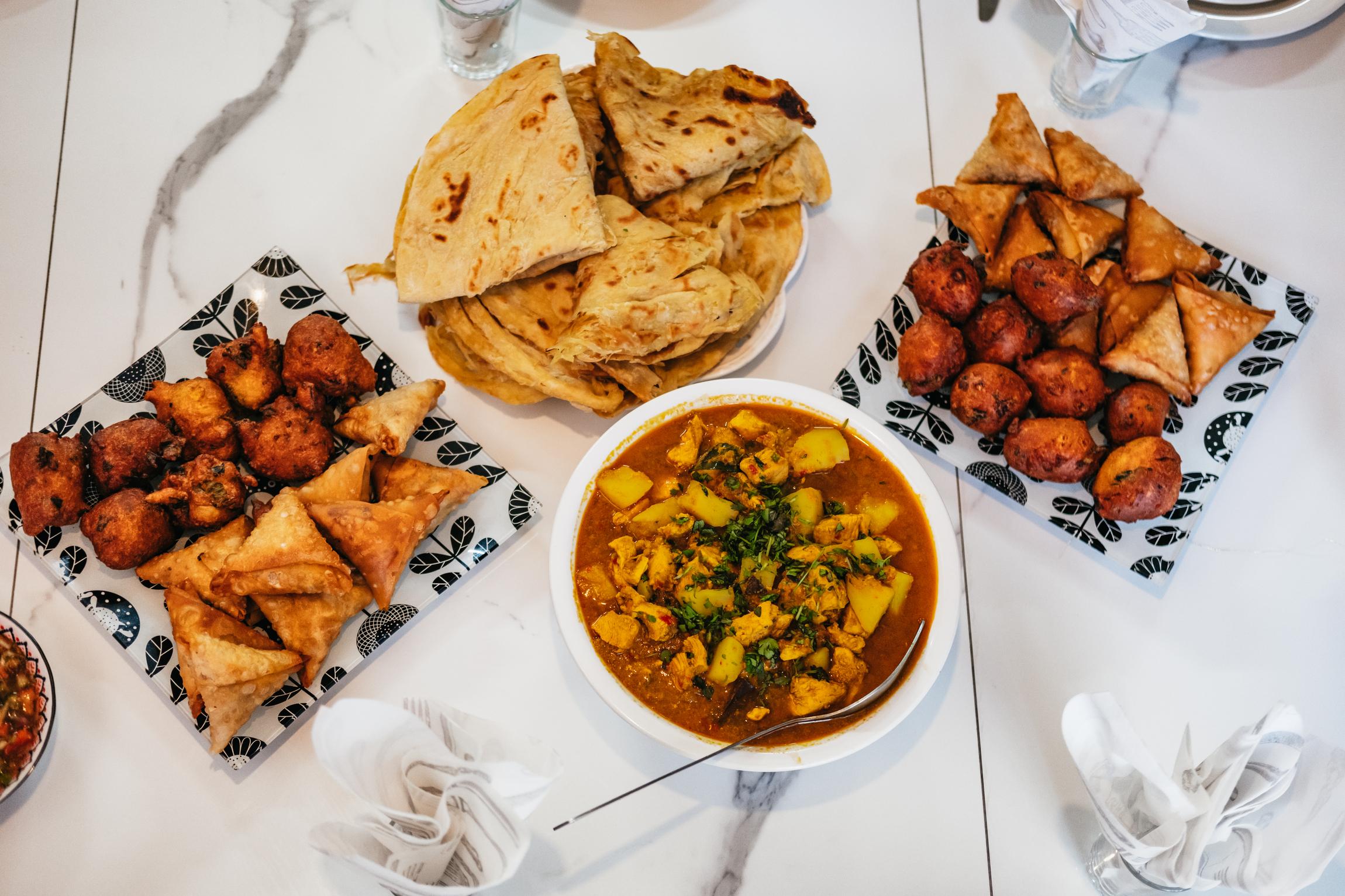
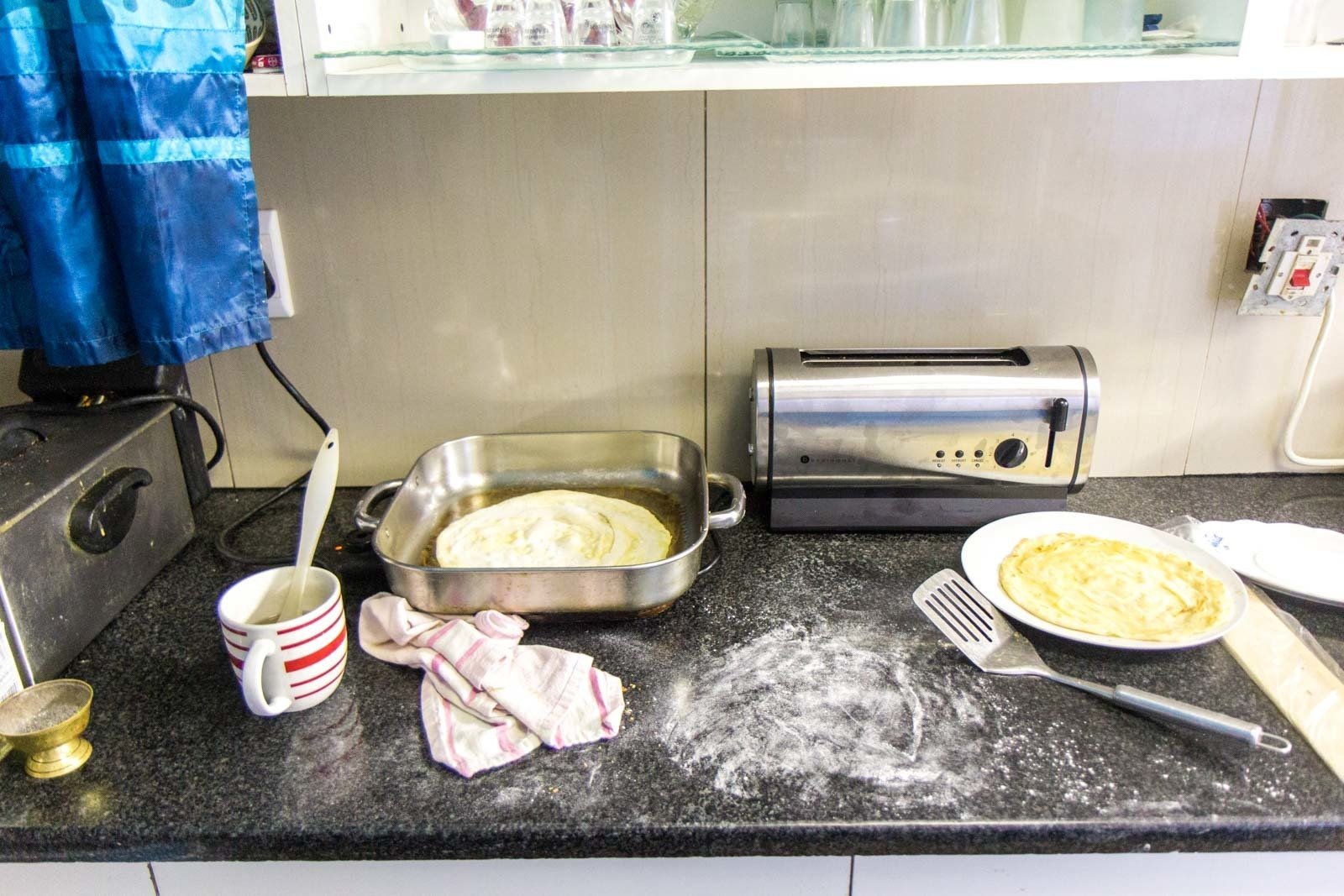
You meet your guide at the base of Wale Street, where the Bo-Kaap Museum's ochre facade rises behind a low wall. Inside, you walk through rooms arranged as they were in 1850: a bedroom with a brass bed frame, a sitting room with cane furniture, a prayer niche facing east. Your guide explains how families stored spices in ceramic jars, how Dutch colonial architecture merged with Islamic decorative sensibilities. You step back outside and climb the gradient, pausing at the Auwal Mosque's arched doorway before turning into a network of residential lanes painted in jewel tones. The cooking class unfolds in a family home or community kitchen, the air thick with toasting cumin and fenugreek. You chop onions alongside your host, who speaks in a mix of English and Afrikaans, occasionally lapsing into phrases her grandmother used. She demonstrates the proper fold for samoosas, the wrist motion that seals the pastry edge, the oil temperature that turns dough golden without scorching. You grind spices with a mortar, the stone pestle releasing citrus and pepper notes. The stove crowns five pots: a lamb curry building depth, rotis puffing on a griddle, a pot of yellow rice steaming with raisins and cinnamon. When the meal is plated, you sit with strangers who have become collaborators, tasting the layered heat of a dish you helped construct, the city sprawling below the kitchen window.
The Bo-Kaap Museum is open Monday to Saturday from 09:00–16:00.
Yes, but please check specific age policies for your bo kaap walking tour and cooking class with the operator.
No, the museum is closed on Sundays, so plan your bo kaap walking tour and cooking class for a weekday or Saturday.
Entrance fee for Bo-Kaap Museum is 20 ZAR per adult.
Bo-Kaap has steep, cobbled streets, so accessibility varies; confirm your bo kaap walking tour and cooking class route with the provider.
Arrive between 09:00–11:00 for the best light and to avoid peak heat during your bo kaap walking tour and cooking class.
Casual photography is encouraged, but respect privacy in this residential area during your bo kaap walking tour and cooking class.
Modest dress is advised during a bo kaap walking tour and cooking class to respect local customs.
Street parking is very limited; we recommend taxis for your bo kaap walking tour and cooking class.
Most tours include a meal, but verify the inclusion details before purchasing your bo kaap walking tour and cooking class tickets.